
This panel reflects a critical reflection on sustainability, questioning dominant framings that privilege policy instruments, economic growth and technological fixes over lived social and ecological realities. Rather than treating sustainability as a managerial problem to be solved, the panel approaches it as a contested social ecology project, shaped by socially constructed human-nature relations, power, labor, memory, and individual experiences. The discussion is anchored in Sürdürülebilir Tarım Hayali: Gül Yetiştiriciliğinin Sosyal Ekolojisi, a recently published book in Turkey about study of rose cultivation in rural Anatolia, which functions as a diagnostic case. Focusing on rose growers’ decision-making, emotional and cultural engagement with land, it reveals sustainability not as a fragile social–ecological relationship shaped by market pressures, state policies, and climate crisis.
The panel advances three propositions:
Sustainability composes three pillars: environmental, economic and social.
Local and traditional agricultural practices are being impacted by how human-nature relations are constructed, top-down policies, land-grabbing and climate crisis.
Imagining (“hayal”) a sustainable future for agriculture is not utopian excess, but a necessary political and ecological capacity.
19:15 – Doors open
19:30 – Welcome and introduction by Aurore
19:40–19:55 – Ebru's contribution: Sustainability challenges in rose farming in Turkey (historical background, current situation, sustainability as an imagination challenge, role of stakeholders)
19:55–20:10 – Marie's contribution: Climate change perceptions among farmers and stakeholders, with case studies from Belgium, Italy, and Ireland
20:10–20:25 – Branwen's contribution: Sustainable food systems, indigenous knowledge, and the case of Ghana
20:25–20:40 – Q&A and closing reflections (role of stakeholders, imagination, and pathways to action)
20:40–21:30 – Workshop session
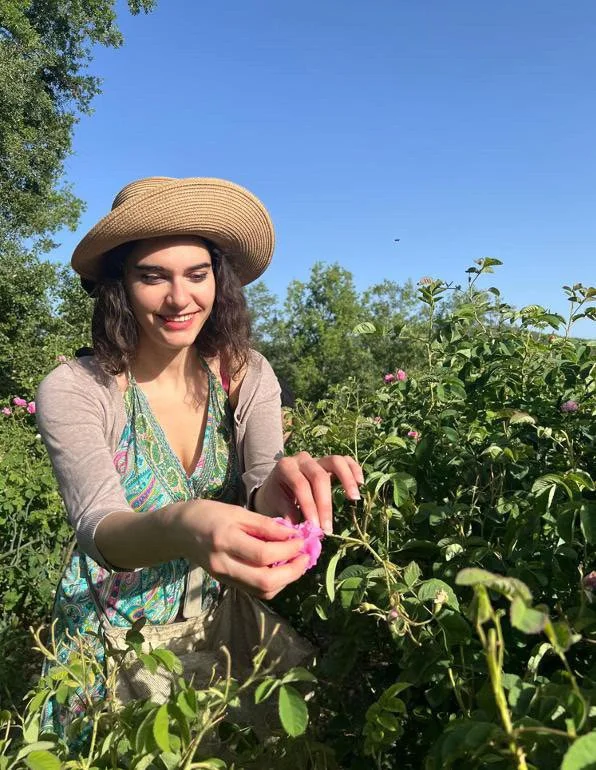
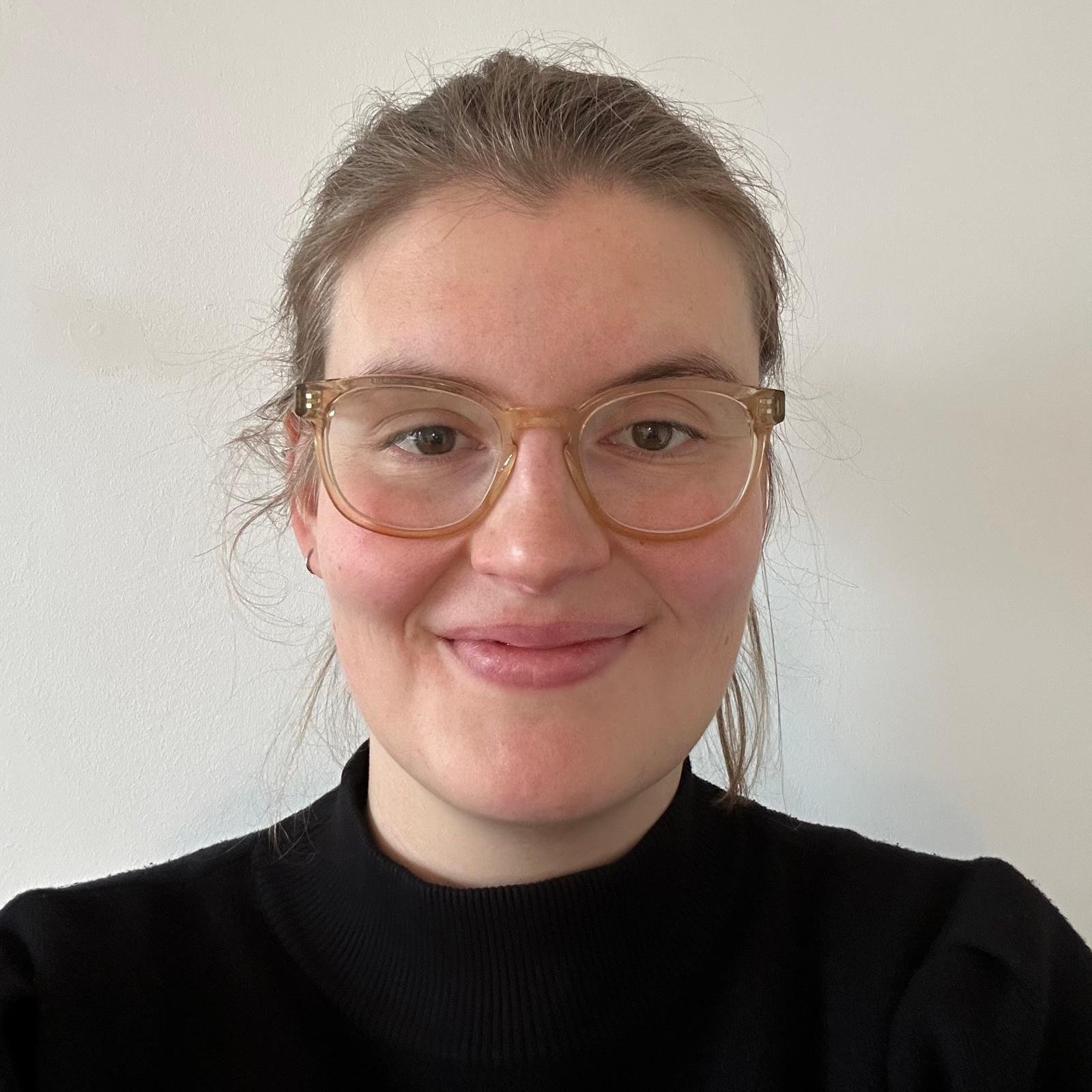
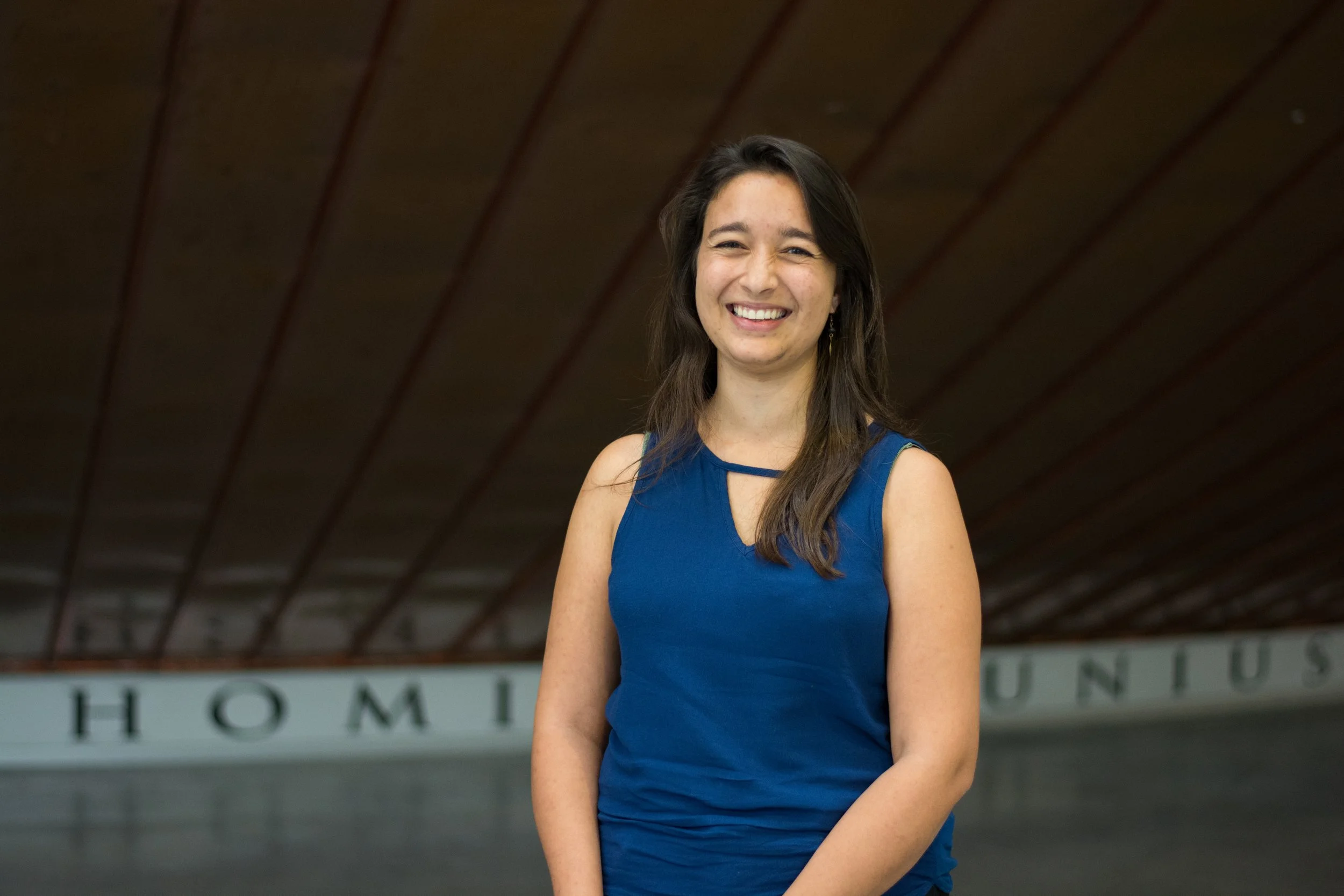
A sustainability geek, Ebru Akgün was born in Istanbul. She studied Political Science and Public Administration in Turkey and gained NGO experience in Brazil. She later studied two Master's degrees in Social and Cultural Anthropology and Sustainable Development in Belgium. She is doing a joint PhD degree in Political Science and Sociology at Vrije Universiteit Brussel and the University of Antwerp, focusing on politician discourse after disaster events. She has also worked as a sustainability lobbyist in several Brussels-based organizations and is currently preparing for a Blue Book traineeship at the European Commission DG Environment Communications unit.
Marie Van Espen is a doctoral researcher at the INSPIRA and the 'Agro-food marketing and consumer behaviour' research groups at Ghent University. Her research explores how farmers and agri-food stakeholders perceive climate change and what makes adaptation possible - or impossible - in everyday farming practice. Working with case studies from Belgium, Italy, and Ireland, she uses mixed-methods research, combining interviews, surveys, and participatory tools, to bring farmers' experiences and concerns into conversations that are often dominated by abstract policy targets. Trained as both an agricultural engineer and a development scholar, Marie brings an interdisciplinary perspective shaped by research on European food systems as well as earlier work in Tanzania and her involvement in the EU Horizon project B-GOOD.
Dr. ir. Branwen Peddi is a researcher of the INSPIRA research group at Ghent University. She has an interdisciplinary background in both Agricultural Sciences at Ghent University as well as Development and Rural Innovation studies at Wageningen University & Research. In her research, she focuses on approaches to pluralising knowledge within agriculture in a just and inclusive way within the context of Ghana, where she worked in close collaboration with local farmers’ organisation ABOFAP. Her research interests lie in decolonising food systems, sustainability, epistemic justice, and transformative transdisciplinarity. Furthermore, in her free time, she volunteers for Ekoli, an association that strives to make science education more inclusive and accessible for all youth.